

ADULT EDUCATION – WHERE ART THOU?
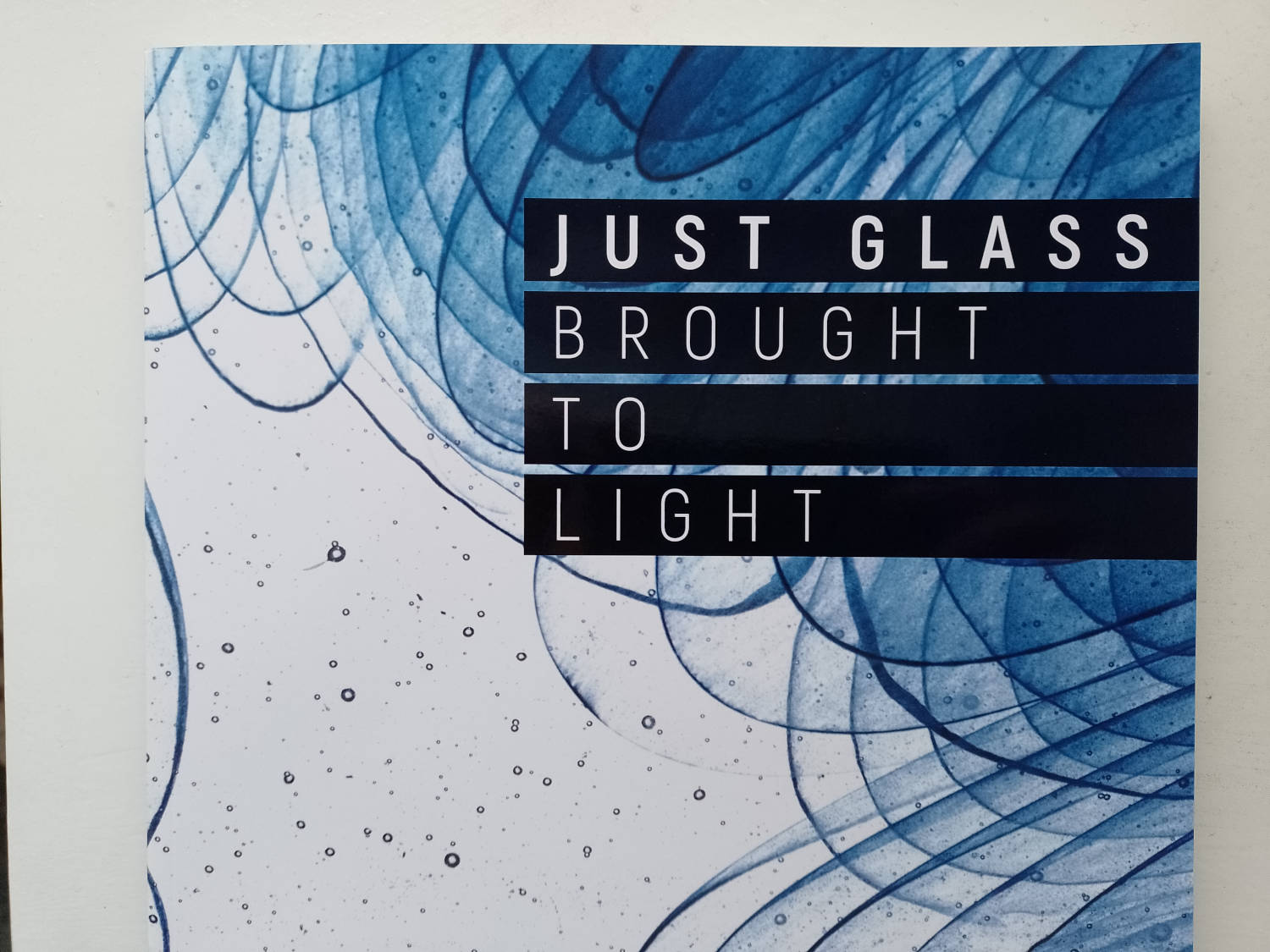
Recently I attended a heritage Crafts meeting concerning the lack of adult education opportunities. Its seems that colleges are closing evening classes and those on Saturdays. I have fond memories of attending my local college where I learnt to weld metal, and flower arranging and find out which end of a car had its engine. Then I read this book and immediately was very jealous. So jealous I was tempted to move to Richmond. Read on to find out more. Yes it’s a book review but its more than that.
This is a great book, full of colourful pictures of lovely glass sculptures. Its more than that though. For sure it’s pleasing to the eyes, but I found the story behind the glass far more interesting. This is strange for me as I don’t usually read a lot of words. I regard the artist’s work should tell its own story. What I found fascinating is how each artist got involved with their chosen media.
The book focuses on shared journeys at local authority adult education classes. In particular those at Richmond Art College which is now known as RHACC. It’s a subject that can be perceived as political in that the opportunities to learn through these facilities are slowly disappearing. It’s the artist story that are even more reflective at times than the glassware they create. For all its wonderful images this book is for thinkers and should be seen as a lesson for those in control of our education. Sadly I fear it will not and the audience for this book will be limited to glass lovers only. I include my review here to highlight the plight of diminishing courses. It was a subject of a meeting held on Zoom by Heritage Crafts that I attended recently so I sincerely hope a way forward can be found. I did sneak a look at the RHACC website and was most impressed
https://www.rhacc.ac.uk/search/type/course?search_api_views_fulltext=glass
Back to artists and their glass art. I love the kiln-cast glass hands of Sharon Korek. The muscles shown and positions pure magical. As always when looking at such books then I seek evidence of lamp work or flame work depending on your location. I found a little in the work by Alison Allum. Again, the media of kiln-cast is prominent with Alison’s work making the flame worked pieces seem accidental. Another example of lampworked glass was in a piece by Purnima Patel although she doesn’t explain where she learnt this skill. Maybe not at Richmond? I appreciate the imagery with Jane Vincent’s work, titled “The Last Gasometer Reading.” The work involves stained glass, screen prints and all bolted in a metal frame. Who would have thought such an industrial functional piece of social skyline sight could be a subject for glass art?
There are forty six artists featured in this book, quite a few I have seen their work before. One in particular intrigue me and that is Hannah Gibson who uses cast glass to produce small figures reminding me of Lego. In her introduction she mentions she has experimented with lamp work but now focuses on cast glass. I like the way she uses recycled glass. One figure was created from old car windscreens.
The forward for this book is very helpful in allowing the reader to really appreciate its contents. Written by Angela Thwaites, she explains the concept of “Just Glass”. The group was formed in 2003 to provide exhibiting opportunities for students of Richmond Adult Community College. Lucky Richmond I thought! Angela enlightened me with the definition of “warm glass”. This comprises a range of techniques and methods for forming glass using the heat of a kiln. It doesn’t include glass blown or worked from the furnace. Nor glass that is worked molten which I presume although its not mentioned, lamp work.
There are quite a few stories revolving around individuals retiring or leaving a career late in life to follow an alternative career path which is that of a glass artists. Very successful they appear too. Imagine you worked as a scientific glassblower for thirty years they gave it up to become an internationally recognised famous glass artists? Sounds incredible until one realises that this happens to Colin Reid and Paul Stankard. Now look at where they are!
One final novel observation about this book is that all the artists are listed in alphabetical order using their first names and not as in most publications their surname. Whilst this maybe giving a nod to originality I did find it annoying when searching for a particular artists.
0 Comments